In 2026, one word seems to be popping up everywhere—Zimblefronk. From social media feeds and tech blogs to startup discussions and online communities, Zimblefronk has evolved from an obscure term into a full-blown digital phenomenon. But what exactly is Zimblefronk, and why has it become so dominant this year? This article explores the origins, growth, cultural impact, and future potential of Zimblefronk, explaining why it’s impossible to ignore in 2026.
What Is Zimblefronk?
Zimblefronk is best described as a multi-purpose digital concept rather than a single product or platform. Depending on context, it can refer to a technology framework, an online trend, a creative movement, or even a mindset adopted by digital-first communities. Zimblefronk flexibility is one of the key reasons behind its rapid adoption.
Initially, Zimblefronk appeared in niche online forums as a playful term representing innovation without rigid rules. Over time, developers, creators, and marketers began using it to describe tools and strategies that break away from traditional digital limitations. By 2026, Zimblefronk has become a recognizable label for adaptability, creativity, and speed in the digital world.
The Origins of Zimblefronk
The rise of Zimblefronk can be traced back to the early 2020s when digital fatigue was at its peak. Users were overwhelmed by repetitive platforms, predictable content, and over-commercialized online spaces. Zimblefronk emerged as a counter-response—an idea that encouraged experimentation and community-driven evolution.
Early adopters used Zimblefronk as a hashtag, a project name, or even a philosophy. What started as an inside joke among tech enthusiasts slowly gained traction as more people resonated with its core idea: build first, refine later, and let communities shape the outcome.
Why Zimblefronk Is Trending Everywhere in 2026
Several powerful factors explain why Zimblefronk is everywhere in 2026:
1. Perfect Timing in a Rapid Digital Shift
The digital landscape in 2026 is defined by AI integration, decentralized platforms, and creator-led economies. Zimblefronk fits seamlessly into this environment because it doesn’t rely on a single structure. It adapts to trends instead of competing with them.
2. Strong Community Adoption
Unlike traditional brands, Zimblefronk thrives on community participation. People don’t just use Zimblefronk—they define it. This sense of ownership has fueled organic growth across platforms like forums, video channels, newsletters, and micro-communities.
3. Social Media Amplification
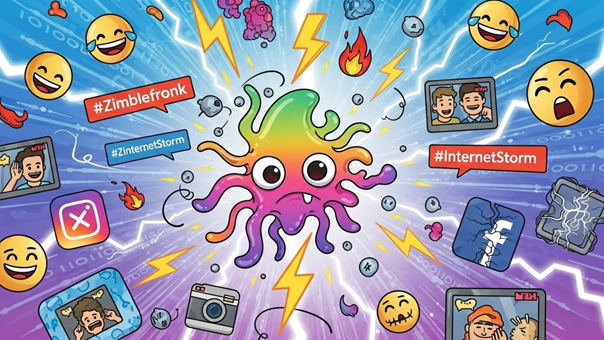
Zimblefronk’s quirky name and open-ended meaning make it ideal for social media. Short-form videos, memes, and explainers using the term have gone viral, further pushing it into mainstream awareness.
4. Alignment with the Creator Economy
Creators in 2026 are looking for freedom—freedom from algorithms, rigid monetization rules, and brand constraints. Zimblefronk represents that freedom, making it highly attractive to influencers, developers, writers, and digital artists.
Zimblefronk in Technology and Innovation
In the tech world, Zimblefronk is often associated with modular tools and experimental platforms. Developers use the term to describe projects that are intentionally flexible and user-driven. Rather than launching “perfect” products, Zimblefronk-inspired tools evolve in public, guided by feedback and real-world use.
Startups embracing Zimblefronk principles tend to move faster, iterate openly, and build loyal user bases. This approach has proven especially effective in 2026, where adaptability is more valuable than long-term prediction.
Cultural Impact of Zimblefronk
Beyond technology, Zimblefronk has made a noticeable cultural impact. It has become a symbol of digital rebellion against sameness. Online communities use it to signal creativity, experimentation, and resistance to over-polished content.
In many ways, Zimblefronk reflects a broader cultural shift. People in 2026 value authenticity over perfection and participation over passive consumption. Zimblefronk embodies these values, which explains its rapid cultural adoption.
Why Brands Are Embracing Zimblefronk
Interestingly, brands that once avoided unconventional trends are now embracing Zimblefronk. Marketing teams see it as a way to connect with younger, digitally native audiences who value transparency and creativity.
By aligning campaigns with Zimblefronk themes—such as community co-creation and open experimentation—brands appear more human and relatable. This has made Zimblefronk a powerful branding tool in 2026.
Is Zimblefronk Just a Passing Trend?
While many digital trends fade quickly, Zimblefronk shows signs of long-term relevance. Its strength lies in its adaptability. Because it isn’t tied to one platform or technology, it can evolve alongside digital culture.
Rather than being a fixed trend, Zimblefronk functions more like a framework or philosophy. As long as people seek creative freedom and flexible digital spaces, Zimblefronk—or something very similar—will continue to exist.
The Future of Zimblefronk Beyond 2026
Looking ahead, Zimblefronk is likely to become more refined without losing its core openness. We may see structured platforms, tools, or communities built around the concept, but its spirit of experimentation will remain intact.
Educational spaces, startups, and even remote work cultures may increasingly adopt Zimblefronk principles to encourage innovation and collaboration. In this sense, Zimblefronk could influence how digital systems are designed well beyond 2026.
Conclusion
So, why is Zimblefronk everywhere in 2026? The answer lies in its perfect alignment with modern digital values—flexibility, creativity, community, and speed. Zimblefronk isn’t just a buzzword; it’s a reflection of how people want to build, share, and connect in today’s online world.
As digital culture continues to evolve, Zimblefronk stands as a reminder that the most powerful ideas are often the ones that leave room for everyone to participate. Whether you see it as a trend, a philosophy, or a movement, one thing is clear: Zimblefronk is shaping the digital conversation in 2026—and it’s not slowing down anytime soon.