
Introduction
Videography In today’s digital-first world, video has become one of the most powerful forms of communication. From social media reels and YouTube videos to corporate presentations and wedding films, video content is everywhere. Behind every compelling video is the art and practice known as videography. But what exactly is videography, and why is it so important in modern media?
This article explains what videography is, how it differs from cinematography, the skills and tools involved, types of videography, and its growing role in personal, professional, and commercial spaces.
What Is Videography?
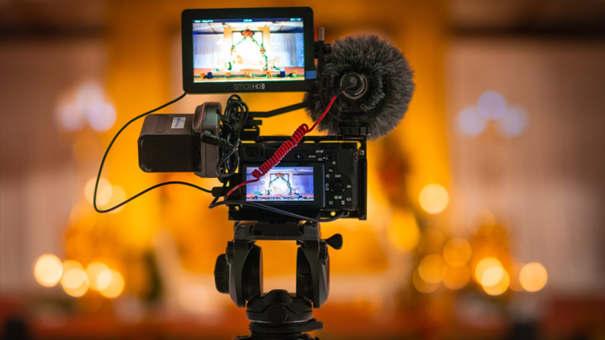
Videography is the process of capturing moving images on electronic media, such as digital cameras, camcorders, or smartphones, to create video content. It involves recording video footage, editing it, adding sound or effects, and producing a final visual story.
Unlike traditional filmmaking, Videography often focuses on real-life events, practical storytelling, and efficient production. Videographers may work alone or in small teams, handling everything from shooting to post-production.
In simple terms, videography is the art and technique of recording video for storytelling, documentation, or communication purposes.
Videography vs. Cinematography
Many people confuse videography with cinematography, but they are not the same.
-
Videography
-
Focuses on capturing events or content as they happen
-
Often used for weddings, interviews, corporate videos, social media, and documentaries
-
Typically handled by one or a few people
-
Emphasizes practicality and storytelling
-
-
Cinematography
-
Used mainly in films and high-end productions
-
Involves elaborate lighting, sets, scripts, and large crews
-
More artistic and cinematic in style
-
While both involve shooting video, videography is generally more flexible, accessible, and event-focused.
Key Elements of Videography
To understand videography fully, it helps to know its main components:
1. Camera Operation
Videography begins with capturing footage. This includes choosing the right camera settings such as frame rate, resolution, focus, and exposure.
2. Composition and Framing
Good videography uses visual composition techniques like the rule of thirds, leading lines, and balanced framing to make footage visually appealing.
3. Lighting
Lighting plays a critical role in video quality. Natural light, studio lights, or LED panels are used to create the right mood and clarity.
4. Audio Recording
Clear sound is just as important as visuals. Videographers often use external microphones, lavalier mics, or boom mics for professional audio.
5. Editing and Post-Production
Editing transforms raw footage into a polished video. This includes cutting clips, color correction, adding music, text, transitions, and effects.
Types of Videography
Videography is a broad field with many specializations. Some common types include:
1. Event Videography
Covers live events such as weddings, birthdays, concerts, conferences, and religious ceremonies. The goal is to capture memorable moments.
2. Corporate Videography
Used by businesses for promotional videos, training materials, interviews, product demos, and internal communication.
3. Social Media Videography
Focuses on short-form videos for platforms like Instagram, YouTube, TikTok, and Facebook. These videos are fast-paced and attention-grabbing.
4. Documentary Videography
Tells real-life stories, explores social issues, or documents people and events in an informative and emotional way.
5. Commercial and Marketing Videography
Created to promote products, services, or brands. These videos aim to influence consumer behavior and boost sales.
6. Educational Videography
Used in online courses, tutorials, webinars, and academic content to explain concepts visually.
Essential Skills Required for Videography
A successful videographer needs a combination of technical and creative skills:
-
Camera and equipment knowledge
-
Storytelling ability
-
Editing and software skills
-
Understanding of lighting and sound
-
Creativity and visual sense
-
Time management and planning
-
Communication with clients or subjects
As technology evolves, videographers must also keep learning new tools, formats, and trends.
Tools and Equipment Used in Videography
Modern videography relies on a variety of tools, including:
-
Cameras (DSLR, mirrorless, camcorders, smartphones)
-
Tripods and gimbals for stability
-
Microphones for high-quality audio
-
Lighting equipment such as softboxes and LED panels
-
Editing software like Adobe Premiere Pro, Final Cut Pro, or DaVinci Resolve
The good news is that beginners can start videography with basic equipment and upgrade as they gain experience.
Why Videography Is Important Today
Videography has become essential for several reasons:
-
High engagement: People prefer watching videos over reading long text
-
Better communication: Videos explain ideas quickly and clearly
-
Marketing power: Video content boosts brand awareness and conversions
-
Emotional connection: Visual storytelling creates stronger audience impact
-
Digital growth: Social media and online platforms heavily rely on video
From education to entertainment and business, videography plays a central role in modern communication.
Career Opportunities in Videography
Videography offers diverse career paths, including:
-
Freelance videographer
-
Wedding and event videographer
-
Corporate video producer
-
Social media content creator
-
YouTuber or vlogger
-
Documentary filmmaker
With growing demand for video content, skilled videographers have strong career prospects across industries.
Conclusion
So, what is videography? It is much more than just recording videos. Videography is a powerful blend of technology, creativity, and storytelling that helps capture moments, share ideas, and connect people visually.
As video continues to dominate digital platforms, videography has become an essential skill and profession. Whether you are a beginner exploring a creative hobby or a business looking to engage your audience, understanding videography opens the door to endless possibilities in the visual world.