
Introduction
The Future of Furniture has always been more than just functional objects placed inside homes or offices. It reflects lifestyle, culture, and the technological progress of its time. As we move deeper into the 21st century, the furniture industry is undergoing a remarkable transformation driven by changing consumer needs, rapid technological advancements, and growing environmental awareness. The future of furniture is no longer limited to aesthetics and comfort; it is about adaptability, intelligence, sustainability, and personalization. This article explores how furniture is evolving and what we can expect in the coming years.
Changing Lifestyles and Their Impact on Furniture Design
Modern lifestyles are significantly different from those of previous generations. The Future of Furniture Urbanization, smaller living spaces, remote work, and flexible routines have changed how people interact with their furniture. Today’s consumers want furniture that serves multiple purposes and adapts easily to changing needs.
The Future of Furniture example, a single room may function as a living room, workspace, and bedroom throughout the day. As a result, modular sofas, foldable desks, extendable dining tables, and wall-mounted beds are becoming increasingly popular. In the future, furniture will be designed with even greater flexibility, allowing users to reconfigure pieces quickly without tools or professional help.
Smart Furniture and Technological Integration
One of The Future of Furniture most exciting developments shaping the future of furniture is the integration of technology. Smart furniture is no longer a concept of science fiction; it is already entering mainstream markets. From beds that track sleep patterns to desks with built-in wireless charging and adjustable heights, technology is enhancing both comfort and productivity.
In the coming years, furniture is expected to become even more intelligent. Artificial intelligence and Internet of Things (IoT) technologies will allow furniture to learn user habits and preferences. For instance, a smart sofa may adjust its firmness based on posture, or a dining table could automatically set lighting and temperature for meals. Voice control, app-based customization, and seamless connectivity with smart home systems will become standard features.
Sustainability as a Core Principle
Sustainability is no longer a trend; it is a necessity. The furniture industry has historically relied heavily on wood, plastics, and chemical treatments, often at the cost of the environment. However, growing awareness about climate change and resource depletion is pushing manufacturers to rethink their materials and processes.
The future of furniture will focus on eco-friendly materials such as reclaimed wood, bamboo, recycled metals, and biodegradable composites. Additionally, manufacturers are investing in low-waste production techniques and circular economy models, where furniture is designed to be repaired, reused, or recycled rather than discarded.
Consumers are also becoming more conscious, preferring brands that prioritize ethical sourcing and sustainable practices. As a result, transparency in material sourcing and manufacturing will play a major role in shaping purchasing decisions.
Customization and Personal Expression
Mass-produced furniture is gradually giving way to personalized solutions. With advancements in digital design tools and manufacturing technologies such as 3D printing and CNC machining, customization is becoming more accessible and affordable.
In the future, customers may design furniture online by selecting dimensions, materials, colors, and features that perfectly suit their space and taste. This level of personalization not only enhances user satisfaction but also reduces waste by producing exactly what is needed.
Furniture will increasingly reflect individual identities, cultural influences, and personal stories, making living spaces more meaningful and unique.
Ergonomics and Health-Focused Design
As people spend more time indoors, especially working from home, the importance of ergonomics and health-focused furniture has become more evident. Poor posture and uncomfortable seating can lead to long-term health issues, prompting a demand for furniture that supports physical well-being.
The future of furniture will place a strong emphasis on ergonomics, with scientifically designed chairs, desks, and beds that promote proper posture and movement. Adjustable furniture that accommodates different body types and activity levels will become common.
In addition, furniture may incorporate wellness features such as air-purifying materials, temperature regulation, and even stress-reducing design elements inspired by nature.
Minimalism and Timeless Aesthetics
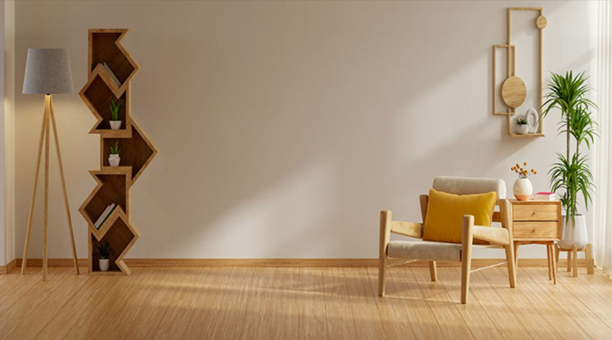
While trends come and go, the future of furniture design is leaning toward minimalism and timeless appeal. Clean lines, neutral colors, and simple forms create a sense of calm and adaptability, making furniture suitable for various interior styles.
Minimalist furniture is not just about appearance; it also aligns with sustainability by encouraging consumers to buy fewer, higher-quality pieces that last longer. Instead of frequently replacing furniture to match trends, people will invest in durable designs that age gracefully.
This shift toward timeless aesthetics reflects a broader movement toward mindful living and intentional consumption.
The Role of Digital and Virtual Experiences
Digital technology is transforming how consumers discover and purchase furniture. Virtual reality (VR) and augmented reality (AR) tools already allow customers to visualize furniture in their homes before buying. In the future, these technologies will become more immersive and accurate.
Customers may explore virtual showrooms, interact with furniture in 3D environments, and test different configurations from the comfort of their homes. This digital-first approach will make furniture shopping more convenient and reduce the likelihood of returns, benefiting both consumers and manufacturers.
Furniture for a Global and Diverse Market
As the world becomes more interconnected, furniture design is increasingly influenced by global cultures and diverse lifestyles. The future of furniture will embrace inclusivity, creating designs that cater to different age groups, abilities, and cultural preferences.
Universal design principles will ensure that furniture is accessible and comfortable for everyone, including the elderly and people with disabilities. This inclusive approach will not only expand market reach but also promote social responsibility within the industry.
Conclusion
The future of furniture is a dynamic blend of innovation, sustainability, and human-centered design. As technology advances and lifestyles evolve, furniture will become smarter, more adaptable, and more environmentally responsible. It will no longer be just about filling space but about enhancing quality of life.
From smart and ergonomic designs to sustainable materials and personalized solutions, the furniture of tomorrow will reflect a deeper understanding of how people live, work, and relax. By embracing these changes, the furniture industry is set to create living spaces that are not only functional and beautiful but also meaningful and future-ready.