
Introduction to Location Pins and Places
Dropped Pin vs. Saved Place have quietly become our everyday companions. From finding the nearest coffee shop to navigating unfamiliar cities, map apps are doing a lot of heavy lifting. Two features you’ve probably used—maybe without thinking much about—are dropped pins and saved places. They sound similar, right? But in reality, they serve very different purposes.
Let’s break it all down in simple, human terms.
What Is a Dropped Pin?
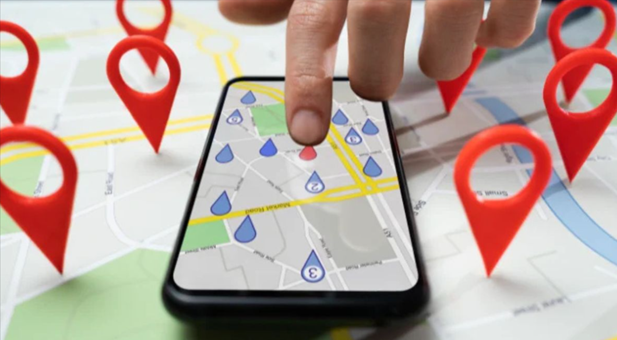
Think of a dropped pin like sticking a thumbtack into a physical map. You tap and hold on a location, and boom—a pin appears. That pin represents a specific geographic point, Dropped Pin vs. Saved Place even if there’s no official address or business name attached to it.
It’s quick, temporary, and incredibly handy when you’re dealing with “in-between” locations.
What Is a Saved Place?
Dropped Pin vs. Saved Place A saved place is more like bookmarking a favorite page in a book. It’s a location you intentionally store for future use—your home, office, favorite restaurant, or that secret sunset viewpoint you never want to forget.
Saved places are organized, labeled, and meant for long-term use.
How Dropped Pins Work
Creating a Dropped Pin
Dropped Pin vs. Saved Place Creating a dropped pin is usually as simple as pressing and holding on a spot in your map app. No address required. No business listing needed. You’re saying, “This exact spot—right here.”
It’s especially useful when GPS locations are vague or when you’re in remote areas.
Temporary Nature of Dropped Pins
Dropped Pin vs. Saved Place Here’s the catch: dropped pins are usually temporary. Once you close the app or move on, that pin might disappear unless you take extra steps to save or share it.
That’s not a flaw—it’s a feature. Dropped pins are meant for quick, immediate needs.
Common Scenarios for Using Dropped Pins
-
Meeting friends in a large park
-
Marking a roadside stop during a road trip
-
Identifying a location without an address
-
Sharing a precise pickup or drop-off point
In short, dropped pins shine when precision matters more than permanence.
How Saved Places Work
Saving a Place on Map Apps
Saved places are created by tapping a location and choosing “Save.” Dropped Pin vs. Saved Place Unlike dropped pins, saved places usually stick around until you delete them.
You can save:
-
Homes
-
Workplaces
-
Favorite restaurants
-
Travel destinations
Custom Labels and Categories
One of the biggest perks? Dropped Pin vs. Saved Place Organization. Saved places can be labeled and categorized—“Favorites,” “Want to Go,” “Starred,” and more.
It’s like building your own personalized map.
Syncing Saved Places Across Devices
Most modern map apps sync saved places across devices. Dropped Pin vs. Saved Place Save a café on your phone, and it’s waiting for you on your laptop later. Convenience at its best.
Dropped Pin vs. Saved Place: Key Differences
Purpose and Usage
A dropped pin is spontaneous. A saved place is intentional.
If a dropped pin is a sticky note, a saved place is a filed document.
Duration and Accessibility
-
Dropped Pin: Short-term, often session-based
-
Saved Place: Long-term, persistent, easy to revisit
Sharing and Navigation
Both can be shared, but saved places usually offer smoother navigation options, reviews, and additional details.
Real-Life Use Cases
Travel and Tourism
Travelers often use dropped pins to mark:
-
Scenic viewpoints
-
Temporary parking spots
-
Meeting points with guides
Saved places, on the other hand, help build travel itineraries—hotels, attractions, and restaurants all neatly stored.
Business and Work Applications
Field workers, delivery drivers, and real estate agents rely heavily on dropped pins for exact locations. Businesses prefer saved places for offices, client locations, and frequent destinations.
Everyday Personal Use
From remembering where you parked to saving your favorite gym, both features quietly simplify daily life.
Advantages of Using Dropped Pins
Quick and Flexible
No setup. No labeling. Just drop and go.
Ideal for Unknown Locations
Dropped pins don’t care if a place has a name. That’s their superpower.
Advantages of Using Saved Places
Long-Term Convenience
Once saved, always available—until you decide otherwise.
Better Organization
Saved places reduce mental clutter. Why remember when your map can do it for you?
Common Mistakes Users Make
Confusing Pins with Places
Many users drop pins when they really want to save a location. Result? Lost locations and frustration later.
Overloading Saved Places
Saving everything defeats the purpose. Organization matters.
Which One Should You Use?
Decision Guide Based on Needs
Ask yourself one simple question:
“Will I need this location again?”
-
If no → Dropped Pin
-
If yes → Saved Place
Simple as that.
Privacy and Data Considerations
Location Sharing Safety Tips
Be mindful when sharing pins or saved places. Location data is powerful—share only with people you trust.
Future of Digital Mapping
Smarter Location Management
As maps become smarter, the line between dropped pins and saved places may blur. Expect AI-driven suggestions, automatic categorization, and smarter reminders tied to locations.
Conclusion
The debate of dropped pin vs. saved place isn’t about which is better—it’s about which is right for the moment. Dropped pins are fast, flexible, and perfect for the here and now. Saved places are structured, reliable, and built for the future.
Once you understand the difference, you’ll navigate not just maps—but your daily life—more efficiently.
FAQs
1. Can a dropped pin be turned into a saved place?
Yes, most map apps allow you to save a dropped pin as a permanent place.
2. Do dropped pins work without an internet connection?
They can work offline if maps are downloaded, but sharing may require internet access.
3. Are saved places private?
Saved places are private unless you choose to share them.
4. Which is better for navigation?
Saved places generally offer smoother navigation with additional details.
5. Can I organize saved places into lists?
Yes, many map apps allow lists and custom categories.