
ARK Augmented Reality (AR) is no longer a futuristic concept limited to science fiction or experimental labs. It has rapidly evolved into a powerful technology that blends digital elements with the real world, transforming how we learn, work, shop, and interact. Among the emerging concepts in this space, ARK Augmented Reality stands out as a forward-looking approach that pushes AR beyond basic overlays into immersive, intelligent, and highly interactive experiences. This article explores what ARK Augmented Reality is, how it works, its key applications, benefits, challenges, and its role in shaping the future of digital interaction.
What Is ARK Augmented Reality?
ARK Augmented Reality Augmented Reality refers to an advanced AR ecosystem or framework that emphasizes Augmented Reality Knowledge (ARK)—the idea of enriching the physical world with context-aware, data-driven, and interactive digital content. Unlike traditional AR, which often focuses on simple visual overlays such as filters or animations, ARK Augmented Reality integrates real-time data, artificial intelligence (AI), spatial mapping, and user interaction to create meaningful and practical experiences.
In essence, ARK Augmented Reality is about augmenting understanding, not just visuals. It aims to provide users with relevant information at the right place and time, enhancing decision-making, learning, and engagement across industries.
How ARK Augmented Reality Works
ARK Augmented Reality relies on a combination of cutting-edge technologies working together seamlessly:
-
Computer Vision and Spatial Mapping
ARK systems use cameras and sensors to scan the physical environment. This allows the technology to understand surfaces, depth, and object placement, ensuring that digital elements appear anchored naturally in the real world. -
Artificial Intelligence and Machine Learning
AI enables ARK platforms to recognize objects, interpret user behavior, and deliver personalized content. For example, an ARK-powered app can identify a machine part and instantly display maintenance instructions. -
Real-Time Data Integration
One of the defining features of ARK Augmented Reality is its ability to pull live data from cloud systems, IoT devices, or databases. This ensures that the augmented content remains accurate, dynamic, and context-aware. -
User Interaction and Interfaces
Users can interact with ARK experiences through gestures, voice commands, touch, or wearable devices like AR glasses. This makes the interaction intuitive and hands-free in many professional settings.
Key Applications of ARK Augmented Reality
ARK Augmented Reality has the potential to revolutionize multiple industries by enhancing efficiency, engagement, and understanding.
1. Education and Training
In education, ARK Augmented Reality can transform passive learning into immersive experiences. Students can explore 3D models of the human body, historical landmarks, or complex machinery in real time. In professional training, ARK-based simulations allow workers to practice tasks in a safe, guided environment, reducing errors and improving retention.
2. Healthcare and Medicine
ARK Augmented Reality is making a significant impact in healthcare. Surgeons can use AR overlays to visualize organs, blood vessels, or surgical pathways during procedures. Medical students can learn anatomy through interactive 3D models, while patients benefit from clearer explanations of diagnoses and treatments.
3. Manufacturing and Industry
In industrial settings, ARK Augmented Reality improves productivity and safety. Technicians can receive step-by-step instructions overlaid directly on equipment, minimizing downtime and reducing the need for extensive manuals. Remote assistance through ARK platforms allows experts to guide on-site workers from anywhere in the world.
4. Retail and E-Commerce
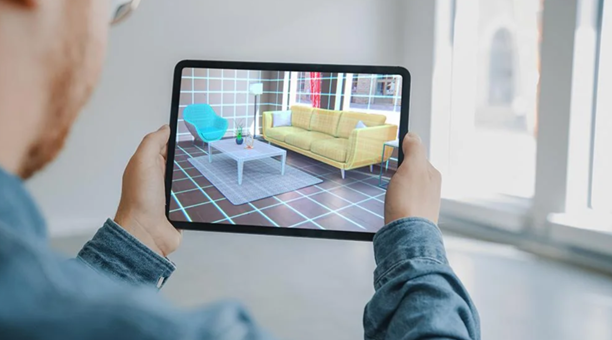
Retailers are leveraging ARK Augmented Reality to enhance customer experiences. Shoppers can visualize furniture in their homes, try on clothing virtually, or see how products work before making a purchase. This not only boosts customer confidence but also reduces return rates.
5. Real Estate and Architecture
ARK Augmented Reality enables architects and real estate professionals to present interactive property tours and design previews. Clients can walk through virtual layouts overlaid on real spaces, making it easier to visualize renovations or new constructions.
Benefits of ARK Augmented Reality
The growing adoption of ARK Augmented Reality is driven by several key benefits:
-
Enhanced Understanding: By combining visual, spatial, and data-driven elements, ARK helps users grasp complex information more easily.
-
Improved Efficiency: Real-time guidance and contextual data reduce errors and save time in professional workflows.
-
Higher Engagement: Interactive and immersive experiences capture attention and improve user satisfaction.
-
Personalization: AI-driven insights allow ARK platforms to tailor content to individual users and scenarios.
-
Cost Savings: Virtual training, remote assistance, and reduced errors translate into long-term cost reductions.
Challenges and Limitations
Despite its promise, ARK Augmented Reality also faces several challenges:
-
Hardware Constraints: High-quality AR experiences often require advanced devices such as AR glasses or powerful smartphones, which may not be accessible to everyone.
-
Data Privacy and Security: Since ARK systems rely on real-time data and environmental scanning, protecting user privacy is critical.
-
Development Complexity: Building robust ARK applications requires expertise in AI, 3D modeling, and software development, which can increase costs.
-
User Adoption: Some users may face a learning curve or discomfort when adapting to immersive AR technologies.
Addressing these challenges will be essential for widespread adoption and long-term success.
The Future of ARK Augmented Reality
The future of ARK Augmented Reality looks incredibly promising. As hardware becomes more affordable and powerful, and as AI and 5G connectivity continue to advance, ARK experiences will become smoother, smarter, and more accessible. We can expect ARK Augmented Reality to move beyond smartphones into lightweight wearables, seamlessly integrating into daily life.
In the coming years, ARK may play a central role in smart cities, remote collaboration, and digital workplaces, where real-time information overlays enhance productivity and decision-making. The convergence of ARK with technologies like blockchain and the metaverse could further expand its possibilities, creating secure, shared, and persistent augmented environments.
Conclusion
ARK Augmented Reality represents a significant step forward in how we interact with digital information in the physical world. By combining augmented visuals with intelligence, context, and real-time data, ARK goes beyond traditional AR to deliver meaningful, practical, and transformative experiences. From education and healthcare to retail and industry, its applications are vast and impactful.
As technology continues to evolve, ARK Augmented Reality is poised to become an integral part of our daily lives, reshaping how we learn, work, and connect with the world around us. Embracing this innovation today means stepping into a future where information is not just seen—but truly experienced.