
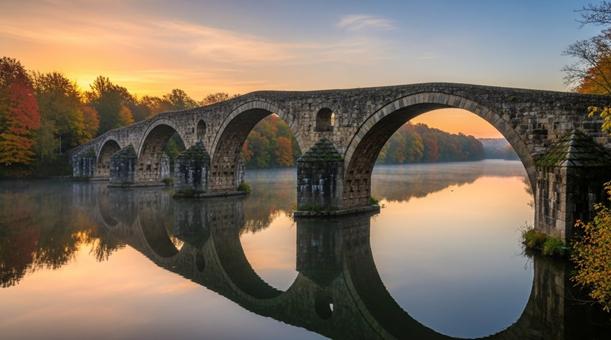
When people search for “Where Is Enntal?”, they are often trying to understand whether Enntal is a city, a region, or a geographical term. The name may seem unfamiliar at first, but it has strong roots in European geography, particularly in the Alpine regions. This article explores the meaning of Enntal, where it is located, why it matters, and why it has gained attention online.
Understanding the Term “Enntal”
The word Enntal comes from German, where “Tal” means valley. Therefore, Enntal literally translates to “the Enns Valley.” It refers to the valley formed by the Enns River, one of the major rivers in Austria.
In many cases, people also encounter the spelling “Ennstal.” Both terms are closely related, and Ennstal is the more commonly used and officially recognized name. “Enntal” is often a variation used in informal searches, older references, or online queries.
Where Is Enntal Located?
Enntal is located in central Austria, stretching across parts of the federal states of Styria (Steiermark) and Upper Austria (Oberösterreich). The valley follows the course of the Enns River, which flows from the western Alps toward the east before joining the Danube River.
Geographically, Enntal lies within the Eastern Alps, surrounded by dramatic mountain ranges, alpine meadows, forests, and historic towns. Its central location makes it an important natural corridor through the Austrian Alps.
Enntal / Ennstal in Austria: A Regional Overview
The Enntal region is best known as Ennstal, one of Austria’s most scenic alpine valleys. It includes several well-known towns and communities, such as:
-
Schladming – a popular ski resort and winter sports destination
-
Liezen – one of the largest towns in the valley
-
Admont – famous for Admont Abbey and its historic library
This valley stretches for roughly 100 kilometers, making it one of the longest continuous valleys in Austria.
Natural Features of Enntal
One of the reasons Enntal is so well-known is its remarkable natural beauty. The valley is shaped by glaciers, rivers, and alpine erosion over millions of years.
Key natural highlights include:
-
The Enns River, which runs through the entire valley
-
Alpine mountain ranges such as the Dachstein Massif
-
Lush green pastures, forests, and alpine lakes
-
Rich biodiversity, including rare alpine plants and wildlife
These features make Enntal a major destination for hikers, climbers, cyclists, and nature lovers.
Why Is Enntal Important?
Enntal holds importance for several reasons:
1. Geographical Significance
The valley serves as a natural east–west passage through the Alps. Historically, this made it an important route for trade and travel.
2. Economic Role
Tourism plays a major role in the Enntal economy. Skiing in winter and hiking or mountain biking in summer attract visitors from around the world. Agriculture, particularly dairy farming, is also prominent.
3. Cultural Value
Enntal has a strong cultural identity rooted in Austrian alpine traditions. Folk music, traditional clothing (such as lederhosen and dirndls), and local festivals are still widely celebrated.
Enntal and Tourism
Many people asking “Where is Enntal?” are travelers planning a trip. Enntal is a year-round tourist destination.
-
Winter: Skiing, snowboarding, and winter sports dominate, especially in areas like Schladming-Dachstein.
-
Summer: Hiking trails, cycling routes, paragliding, and alpine sightseeing attract outdoor enthusiasts.
The region is well-connected by road and rail, making it easily accessible from cities like Salzburg, Linz, and Graz.
Is Enntal a City or a Region?
A common point of confusion is whether Enntal is a city. Enntal is not a single city. Instead, it is a geographical region or valley that includes multiple towns and villages.
Think of Enntal as a natural region, similar to how people refer to “Silicon Valley” or “Rhine Valley.” It represents an area defined by geography rather than political boundaries.
Why Is “Where Is Enntal?” Trending Online?
There are several reasons why this keyword has gained traction:
-
Increased interest in European travel and alpine destinations
-
Confusion caused by alternative spellings like Enntal vs. Ennstal
-
Mentions in blogs, forums, genealogy searches, or historical documents
-
Curiosity sparked by maps, games, or educational content
As more people encounter the term online, they naturally search to understand its location and meaning.
Enntal in History
Historically, the Enntal valley has been inhabited since prehistoric times. Archaeological findings show early human settlement due to fertile land and access to water.
During medieval times, Enntal became an important route for merchants, pilgrims, and armies crossing the Alps. Monasteries such as Admont Abbey played a major role in preserving knowledge and culture in the region.
How to Reach Enntal
If you are planning to visit Enntal, reaching it is straightforward:
-
By Train: Rail connections run along the Enns River, linking the valley to major Austrian cities.
-
By Car: Well-maintained highways and alpine roads connect Enntal to Salzburg, Graz, and Vienna.
-
By Air: The nearest major airports are in Salzburg and Linz, followed by ground transport.
Final Thoughts: Where Is Enntal?
So, where is Enntal? Enntal is a scenic alpine valley in central Austria, following the Enns River through the heart of the Eastern Alps. Known more commonly as Ennstal, it is not a city but a region rich in natural beauty, cultural heritage, and outdoor adventure.
Whether you are researching geography, planning a trip, or simply curious about the name, Enntal represents one of Austria’s most beautiful and historically significant valleys. Its mix of mountains, rivers, and traditional towns makes it a place worth knowing—and visiting.