
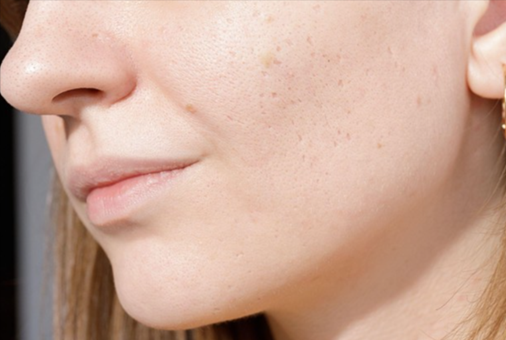
Deep vs Shallow Scars—some we cherish, others we wish we could erase. Whether from acne, surgery, or accidental injuries, scars are a natural part of the skin’s healing process. But not all scars are the same. Understanding the difference between deep vs shallow scars can help you choose the right treatment and manage your expectations.
Let’s break it down in simple, conversational terms.
What Causes Scars?
Scars form when the skin repairs itself after an injury. When the deeper layers of the skin—especially the dermis—are damaged, the body produces collagen to close the wound. This new collagen doesn’t look or behave exactly like normal skin, which leads to scarring.
Factors That Influence Scar Depth
-
Severity of the injury
-
Skin type and genetics
-
Wound care practices
-
Presence of infection
-
Healing speed
What Are Shallow Scars?
Shallow scars are minor surface-level marks on the top layer of the skin. They usually occur when the injury doesn’t affect deep layers.
Characteristics of Shallow Scars
-
Smooth edges
-
Light discoloration
-
More noticeable in certain lighting
-
Usually temporary
Common Types of Shallow Scars
-
Mild acne marks
-
Minor cuts or scrapes
-
Razor bumps
-
Superficial burns
Why Shallow Scars Heal Faster
Because they affect only the epidermis, the body can replace the damaged cells quickly. With proper care, shallow scars often fade on their own within weeks or months.
What Are Deep Scars?
Deep scars extend into the lower layers of the skin and often damage collagen structure.
Characteristics of Deep Scars
-
Indentations or pits
-
Thick, raised tissue (in some cases)
-
Uneven texture
-
Long-lasting appearance
Types of Deep Scars
-
Ice-pick scars: Narrow, deep holes often caused by acne
-
Boxcar scars: Wide and clearly defined edges
-
Rolling scars: Wavy, textured appearance
-
Surgery scars: Deeper cuts that heal with visible marks
Why Deep Scars Are Harder to Treat
Deep scars require structural correction—not just surface-level treatment. Collagen remodeling takes time and professional intervention.
Key Differences Between Deep and Shallow Scars
1. Appearance
-
Shallow scars: Mild marks or discoloration
-
Deep scars: Pits, indentations, or raised bumps
2. Healing Time
-
Shallow scars: Weeks to a few months
-
Deep scars: Months to years
3. Treatment Options
-
Shallow: Topicals and light procedures
-
Deep: Medical treatments like lasers, microneedling, fillers
4. Long-term Impact
-
Shallow scars often fade naturally
-
Deep scars may remain without proper treatment
Best Treatments for Shallow Scars
Topical Treatments
-
Retinoids: Increase cell turnover
-
Vitamin C: Brightens and improves pigmentation
-
AHAs/BHAs: Smoothen and exfoliate the skin
Chemical Peels
These remove damaged skin layers and stimulate new skin growth.
Microdermabrasion
A mild procedure that gently exfoliates the skin’s surface.
Best Treatments for Deep Scars
Microneedling
Creates micro-injuries to stimulate collagen production.
Laser Resurfacing
Removes damaged layers and tightens skin.
Subcision
Breaks the fibrous bands pulling down deep scars.
Fillers & PRP
Fillers add volume under indentations, while PRP enhances collagen growth.
Home Remedies: Do They Really Work?
Aloe Vera
Soothes skin but doesn’t fix deep scars.
Honey
Moisturizes and may help shallow marks.
Gentle Exfoliation
Helps lighten superficial scars when used consistently.
Home remedies are helpful but not miracle cures—especially for deep scarring.
Prevention: The Best Approach
Early Wound Care
Clean and protect your skin to promote proper healing.
Sun Protection
UV exposure darkens scars and slows healing.
Avoid Picking
Picking acne or wounds forces deeper damage.
When Should You See a Dermatologist?
If scars affect your confidence, appear deep, or don’t improve with over-the-counter methods, consult a professional. Dermatologists can customize treatments based on scar type and skin condition.
Final Thoughts
Understanding the difference between deep vs shallow scars allows you to make informed decisions and choose the right treatment path. Shallow scars are typically easier to manage, while deep scars often require professional care. With patience, consistency, and the right approach, smoother skin is absolutely possible.
FAQs
1. Can shallow scars become deep scars?
No, shallow scars stay superficial unless the area is repeatedly irritated or reinjured.
2. Are deep scars permanent?
They can be long-lasting, but treatments like microneedling and lasers significantly reduce their appearance.
3. Do home remedies work for deep scars?
Home remedies may help improve texture slightly, but they cannot fully treat deep scars.
4. How long does it take to treat deep scars?
It depends on the treatment, but noticeable improvements often take 3–6 months.
5. What’s the best treatment for deep acne scars?
A combination of microneedling, subcision, and laser therapy usually offers the best results.